Search make or model
My Shortlist
Any products you add to your shortlist will appear here:
Top 4 Best National Parks in the UK for Campervan Travel
AdobeStock 262633332 ScaledAdobeStock 262633332 Scaled
Jake Sykes
Jake Sykes
Published: in Blog.

Top 4 Best National Parks in the UK for Campervan Travel

Travelling the UK in a campervan is one of the easiest ways to see its national parks properly. You aren’t tied to hotels or fixed plans, so you can follow the weather, stay longer where it feels right, and move on when you’re ready. Each park has its own character, from calm lakes to rugged mountains and wide-open moorland. This guide looks at some of the best national parks for campervan travel. Whether you want coastal drives, mountain roads, or quiet forest areas, there is something here for a family-friendly, flexible road trip.

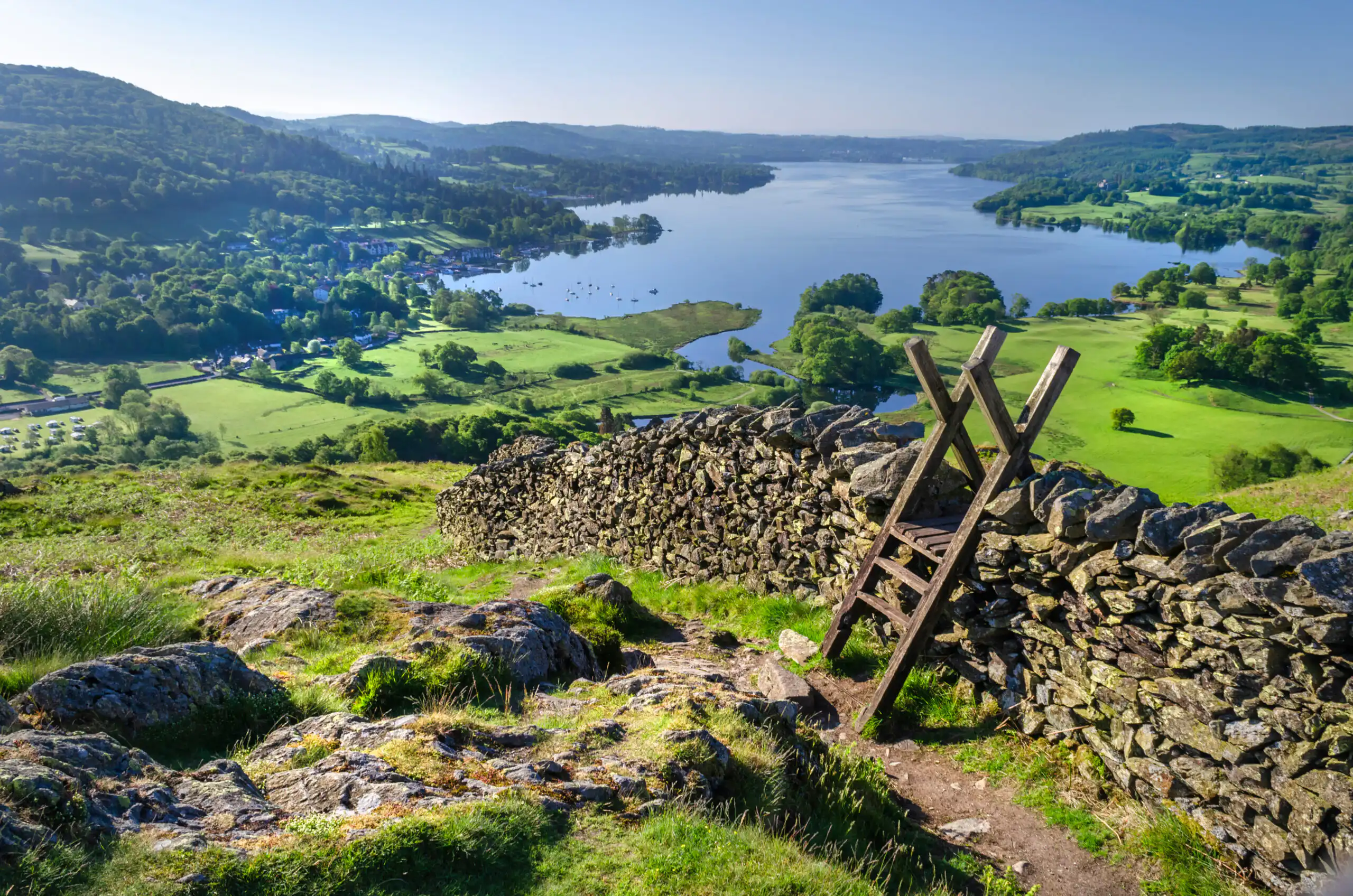
Lake District National Park

The Lake District is one of the most popular UK destinations for campervan travel. Roads are well connected between towns, but still scenic enough to feel like part of the experience. It works well for slow travel, with short driving distances, and frequent places to stop.

A popular route starts around Windermere, then loops through Ambleside and Grasmere before heading north towards Keswick. This route gives a good balance of lakes, valleys, and mountain views without long driving days. From Keswick, you can continue around Derwentwater and take in Borrowdale, which is quieter and more dramatic in landscape. Another useful extension is heading west towards Buttermere and Crummock Water, which tends to be less busy but still very accessible for campervans. For stopovers, there are several campsites around Windermere and Ambleside that work well as base points, especially for families. Keswick also has multiple well-equipped sites within walking distance of the town centre and Derwentwater.

Family-friendly attractions are easy to build into a route. The World of Beatrix Potter in Bowness is a simple indoor option for younger children. Ullswater Steamers offer relaxed boat trips with minimal effort but strong views of the surrounding fells. Grasmere village is small but works well for short walks and food stops, including the famous gingerbread shop. For outdoor activity, Tarn Hows provides an easy circular walk that suits most ages, while Whinlatter Forest Park near Keswick has walking trails and a Go Ape course for older children.

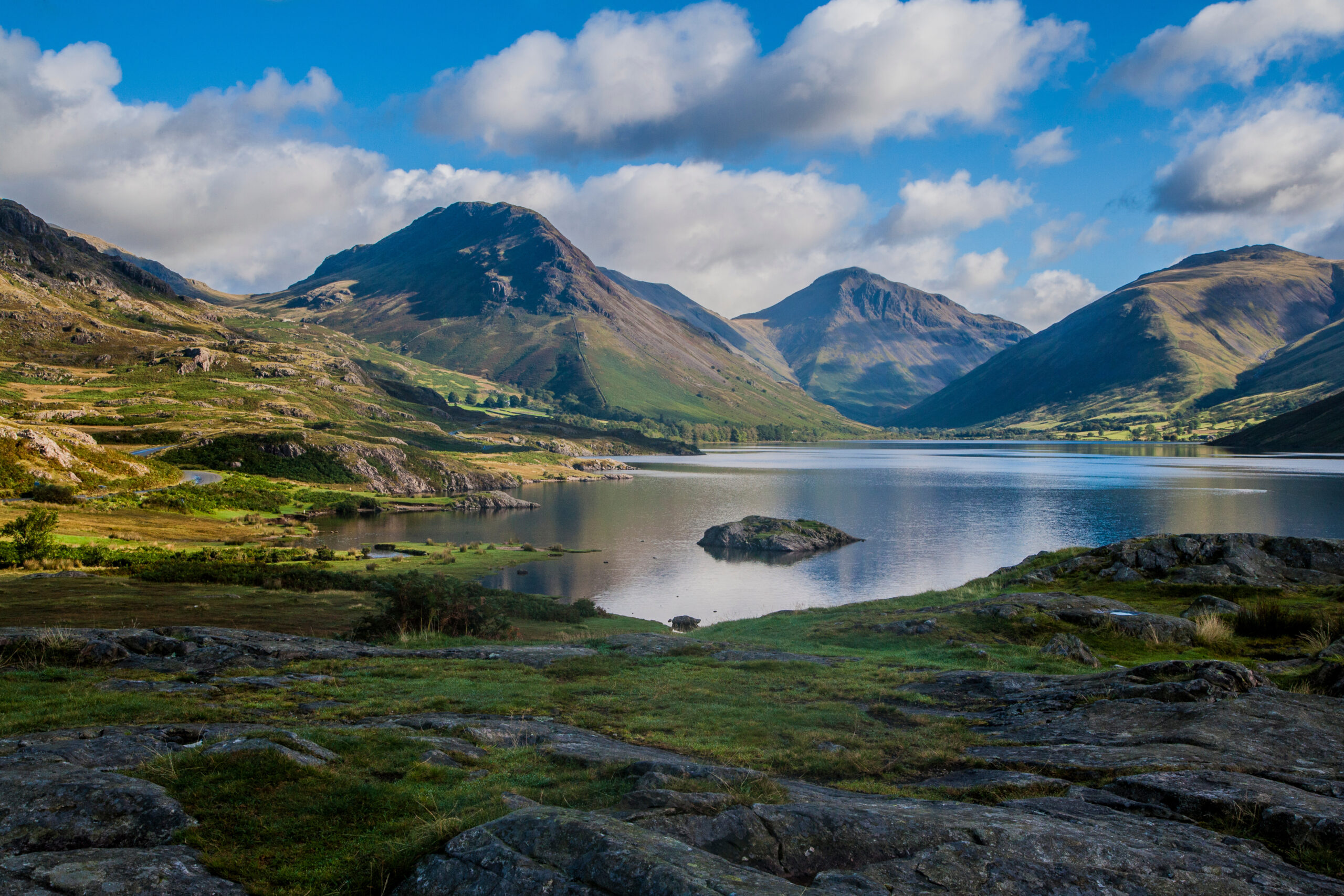
Snowdonia National Park Scenic Road Trips

Snowdonia is one of the strongest campervan destinations in the UK for dramatic scenery. Roads are narrow in places, but the payoff is constant mountain views, deep valleys, and coastal stretches that feel very different within short driving distances.

A classic route starts in Betws y Coed, which works well as a base for supplies and overnight stays. From there, you can head west through the A5 towards Capel Curig and then on towards the Ogwen Valley. This stretch sits under Yr Wyddfa (Snowdon) and gives some of the most recognisable mountain scenery in Wales. Continuing north brings you towards Bangor and the Menai Strait, where the landscape opens into coastal views and easy access to Anglesey.

For stopovers, Betws y Coed has several campervan-friendly campsites within walking distance of the village centre. The Ogwen Valley also has a few designated camping and parking areas, but these fill quickly in peak season. The Trawsfynydd and Dolgellau areas tend to be less busy and work well for longer stays if you want a slower pace.

Family-friendly attractions are well spread out. Zip World near Bethesda is one of the most popular activities in the region, offering zip lines and underground trampoline experiences in old slate caverns. The Ffestiniog and Welsh Highland Railways provide scenic train journeys that are ideal for mixed ages and require very little walking. Llyn Tegid (Bala Lake) is another useful stop, with gentle lakeside walks, paddleboarding, and picnic areas.

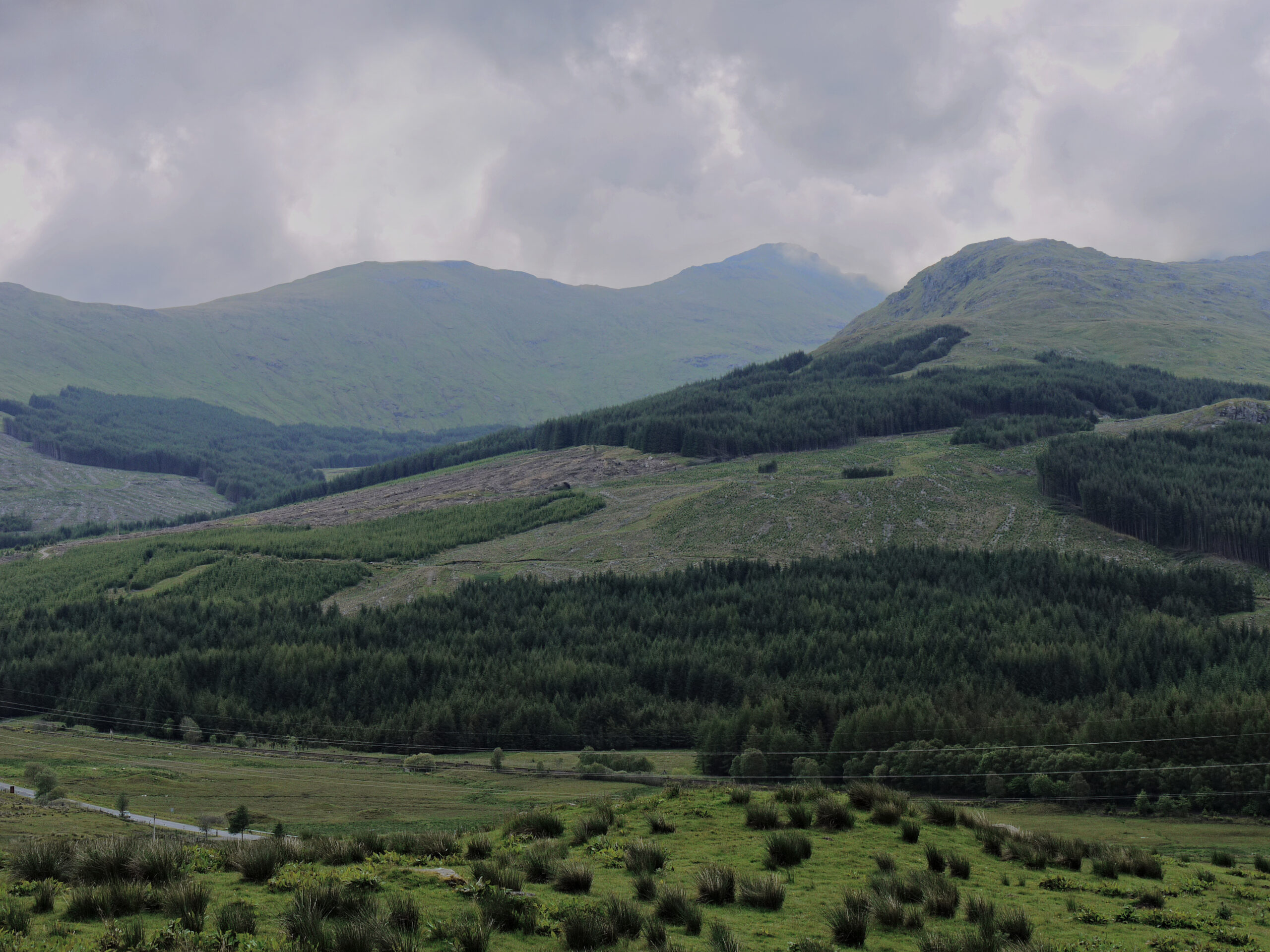
Scottish Highlands National Parks and Wild Routes

The Scottish Highlands offer the most expansive and remote feeling campervan travel in the UK. Distances are larger than in other national parks, but the reward is space, quiet roads, and landscapes that change dramatically from one valley to the next. This region suits slower itineraries built around a few strong bases rather than constant movement.

A popular route starts around Fort William, which gives access to both Glencoe and the western end of Lochaber. From here, the drive through Glencoe is one of the most iconic in Scotland, with steep sided valleys and frequent laybys for photos. Continuing north leads towards Glenfinnan, where the viaduct viewpoint is a major stop, especially for families interested in the steam train crossing. From there, you can continue towards the Ardnamurchan Peninsula for a quieter, more remote coastal loop.

For stopovers, Fort William and Aviemore are the main hubs. Both have established campsites that cater well to campervans, including facilities for longer stays. In more remote areas, official wild camping rules are stricter for vehicles, so relying on designated sites is generally safer and more sustainable than informal overnight parking.

Family-friendly stops are well distributed. The Jacobite Steam Train route between Fort William and Mallaig is a major highlight and works well for all ages. In the Cairngorms, the Highland Wildlife Park near Kingussie offers an easy day out with native and Arctic species. Loch Morlich is another accessible stop with a beach area, gentle walks, and water activities in calmer weather.

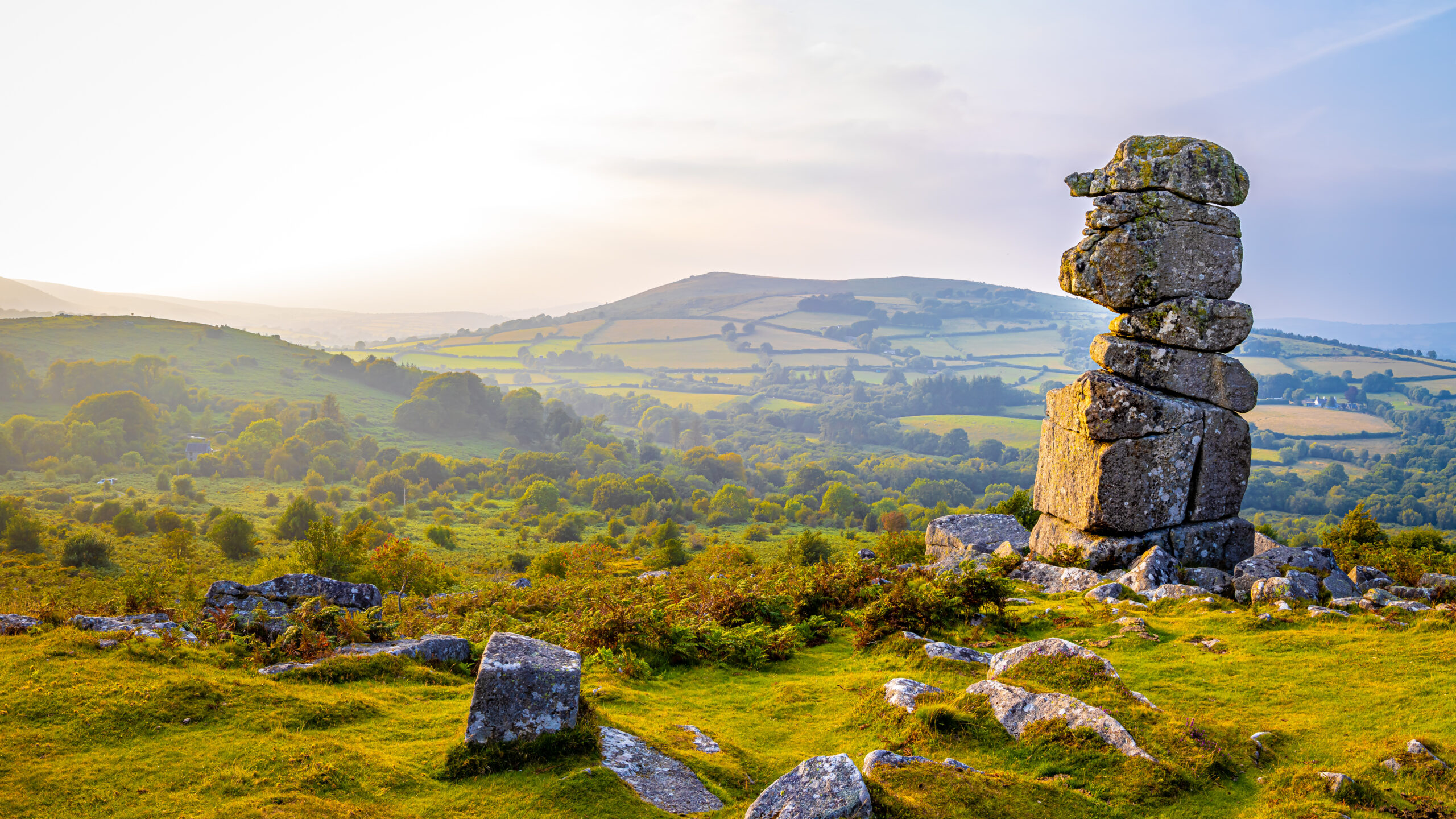
Southwest England National Parks and Coastal Camping

Southwest England works well for campervan travel because it combines two very different landscapes in one region. You get open moorland inland and some of the most accessible coastal scenery in the country. Distances are manageable, and there are plenty of campsites and services that suit longer stays.

A practical route often starts in Dartmoor National Park. The main driving loop runs through Princetown, Postbridge, and Widecombe in the Moor, with wide open views and plenty of short walking options. From Dartmoor, it’s easy to head south towards the coast and link into South Devon, where roads become more winding but also more scenic. Towns like Salcombe and Dartmouth offer good stopover bases with ferry crossings and river views.

For stopovers, Dartmoor has several well-located campsites near Princetown and Tavistock that are useful as a first base. In Cornwall and Devon, coastal campsites are widespread, but booking ahead is often necessary in peak months. Larger towns such as Newquay and St Ives also provide structured options for campervan parking and overnight stays, though space can be limited.

Family friendly attractions are easy to build into this region. The Eden Project near St Austell is one of the most accessible all-weather options, with large indoor biomes and outdoor gardens. The Blue Reef Aquarium in Newquay works well for shorter visits with children. For outdoor activities, Dartmoor offers gentle tors and walking routes, while beaches such as Watergate Bay and Perranporth are good for sand-based days without long hikes.

The UK national parks offer a strong mix of landscapes for campervan travel, from mountains and forests to coastlines and open moorland. Each region has its own rhythm, and the experience changes significantly depending on how much time you spend off main routes. Whether it’s the lakes of Cumbria, the peaks of Snowdonia, the remoteness of the Highlands, or the coastal stretches of the South West, each area works well when treated as its own self-contained journey rather than part of a rushed itinerary.

Related Lowdhams products or services:
Jake Sykes
By Jake Sykes

Meet our Motorhome Sales Executive, Jake! Jake is an expert in the Lowdhams motorhome brands line up, and can give excellent advice on both our new and used motorhomes for sale.